
NEM 3.0 Explained: Is Solar Still Worth It in California in 2026?
NEM 3.0 cut solar export rates by ~75%, but it didn't kill rooftop solar in California. It just made battery storage essential.
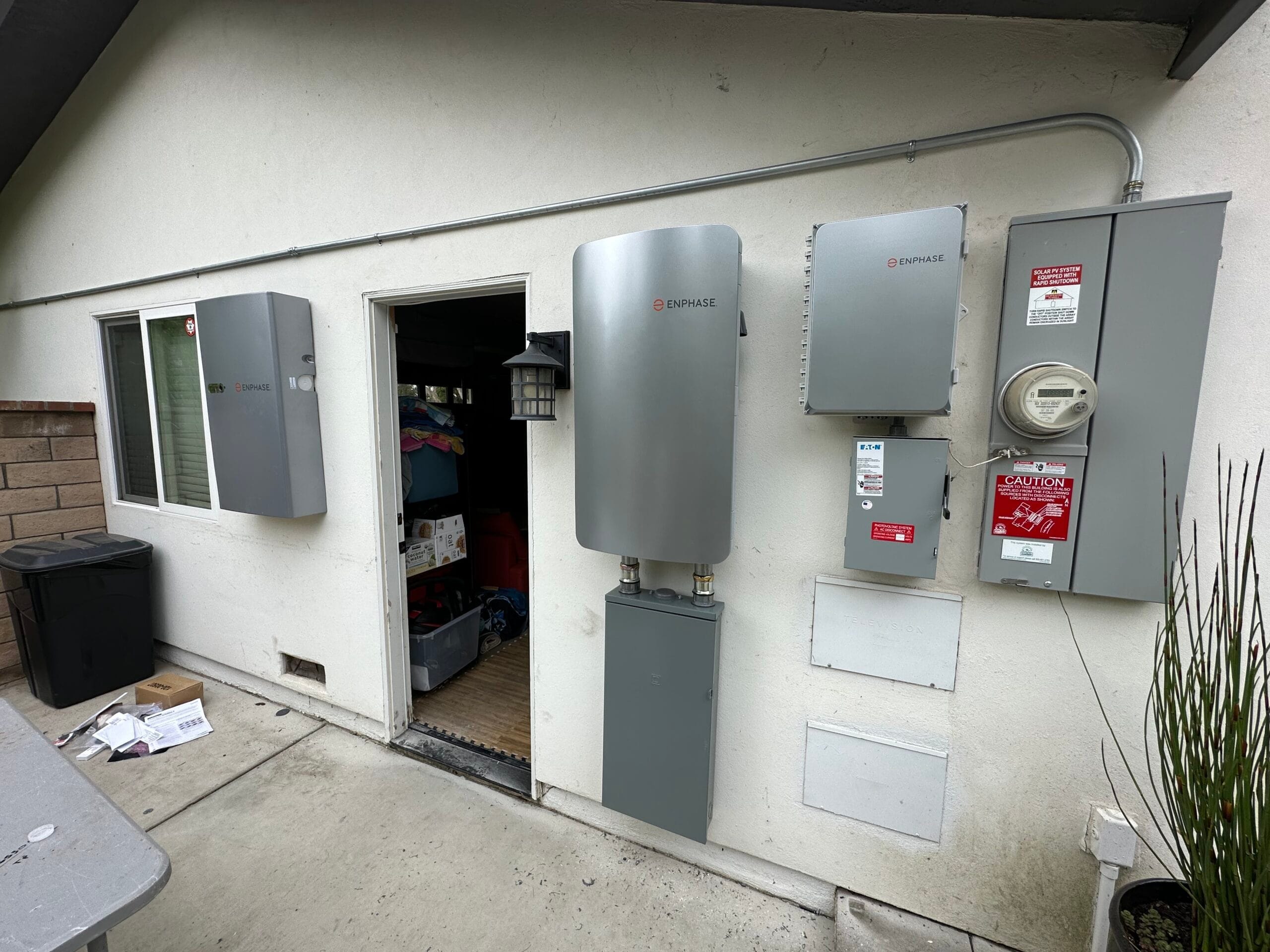
If you've been quoted for solar in the last two years, you've probably heard 'NEM 3.0' tossed around as if it were a doomsday clock for rooftop solar. The reality is more nuanced. NEM 3.0 didn't kill solar in California — it just changed how you have to design a system to make it pay off.
What NEM 3.0 actually is
Net Energy Metering 3.0 — formally the Net Billing Tariff (NBT) — is the rate structure that governs how Southern California Edison (SCE), PG&E, and SDG&E pay you for solar energy you export back to the grid. It went into effect for new solar applicants on April 15, 2023.
Under NEM 2.0 (the previous rule), exported solar was credited at roughly the same rate you paid for grid power — about $0.30–$0.50 per kWh during peak hours. Under NEM 3.0, exports are credited at much lower 'avoided cost' rates, typically $0.05–$0.10 per kWh, with brief windows reaching $0.30+ during peak summer evenings.
What this means in real dollars
For a typical 6 kW solar system in Ventura County, the average export credit dropped from roughly $1,800/year under NEM 2.0 to about $400/year under NEM 3.0. That's a real $1,400/year reduction in what your panels are worth — if you only have solar.
Why batteries fix everything
When you add a battery to your solar system, your midday solar production charges the battery instead of getting exported at $0.07/kWh. Then in the evening, when SCE's peak rates climb to $0.55/kWh and your house is using power, your battery discharges to cover that load — saving you the full $0.55 instead of earning $0.07.
That single architectural change is worth roughly $1,500–$2,500 per year for the average Ventura County home, and it's why nearly 100% of new solar installations we do in 2026 include at least one battery.
Realistic 2026 payback under NEM 3.0
- Solar only (6 kW system): 11–14 year payback, ~7% IRR over 25 years
- Solar + 1 battery (6 kW + 13.5 kWh): 7–10 year payback, ~12% IRR over 25 years
- Solar + 2 batteries (8 kW + 27 kWh): 7–9 year payback, ~13% IRR (best for high users / EV households)
Common NEM 3.0 misconceptions
'NEM 3.0 means I can't sell power back to the grid anymore.'
False. You can still sell power back. The price is just much lower than before — and it varies hour-by-hour based on grid conditions.
'I should rush to get a system installed before NEM 3.0 takes effect.'
Way too late — NEM 3.0 has been in effect since April 2023. Existing NEM 1.0 and NEM 2.0 customers are grandfathered into their rates for 20 years from interconnection.
'I should wait for NEM 4.0 to come out.'
NEM 3.0 is the new normal for the foreseeable future. Waiting costs you years of energy savings and likely won't deliver a better rate.
Frequently asked questions
Am I locked into NEM 3.0 once I sign up?+
Yes. New solar customers in SCE territory get a 9-year locked-in NEM 3.0 export rate schedule. After year 9, you transition to whatever rate is current.
Can I add a battery to my existing NEM 2.0 system without losing my grandfathered rate?+
Yes — as long as you don't increase your solar system size by more than 1 kW or 10% (whichever is greater), you can add battery storage and keep your NEM 2.0 status.
What time of day is most important under NEM 3.0?+
4 PM to 9 PM. That's when SCE rates peak ($0.55+/kWh in summer) and when battery discharge is most valuable. A well-designed system schedules battery discharge to fully cover this window.