
How to Choose a C-10 Electrical Contractor in Ventura County
California requires every electrical contractor to hold a C-10 license. Here's how to verify it, what insurance and bonding look like, and the seven questions every homeowner should ask before signing.
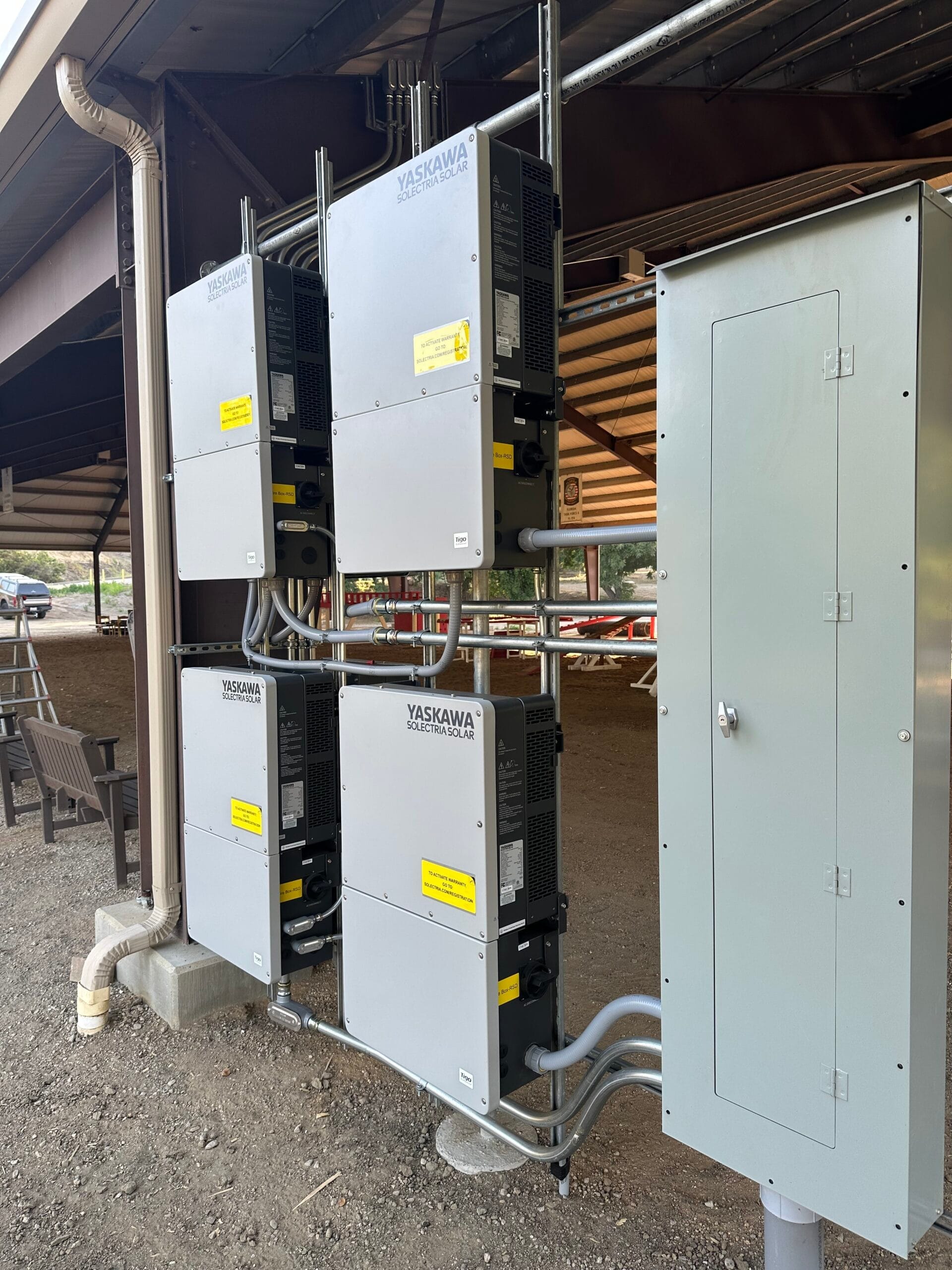
Hiring an electrical contractor is one of those decisions where the cost of getting it wrong is much higher than the cost of getting it right. A bad electrical install can cause fires, void insurance, kill resale value, and force expensive rework. Here's how Ventura County homeowners can vet a contractor in about 15 minutes.
What 'C-10' actually means
C-10 is the California Contractors State License Board (CSLB) classification for electrical contractors. To get a C-10 license, a contractor must have at least four years of journeyman-level electrical experience, pass a state trade exam and a law/business exam, post a $25,000 bond, and carry workers' compensation insurance.
Anyone working on permanent electrical wiring, panels, services, EV chargers, or solar in California must hold an active C-10 license — or work under the direct supervision of someone who does.
How to verify a contractor's C-10 license in 60 seconds
- Go to www.cslb.ca.gov
- Click 'Check a License'
- Enter the contractor's license number (not their company name)
- Verify: License is Active, Classification includes C-10, no Suspensions, Bond is current, Workers' Comp on file
The seven questions to ask before you sign
1. What's your CSLB license number?
Then verify it yourself. Don't take their word for it.
2. Are your installers W-2 employees or sub-contracted day labor?
Reputable contractors send their own trained crews. Day-labor subs frequently produce substandard work and complicate warranty claims.
3. What's your general liability insurance limit, and can I see a current certificate?
Anything less than $1M is a warning sign. $2M is the standard for established contractors.
4. Will you pull the permit, or is that on me?
The contractor should always pull the permit. If a contractor offers to skip the permit to save money, walk away — it's illegal and exposes you to enormous risk.
5. What's your workmanship warranty?
Industry standard is 10 years on solar workmanship and 1–5 years on general electrical. Anything less is a warning sign.
6. Can I see three references from completed jobs in the last 12 months in my area?
Local references in Ventura County matter more than glowing Google reviews from across the state. Call them.
7. Is the bid a fixed price, or is it 'time and materials' with allowances?
For most residential projects, fixed-price bids protect you from surprise change orders. Be very wary of bids that have lots of vague 'allowance' line items — those are designed to escalate.
Red flags that should end the conversation immediately
- Cash-only or large up-front cash deposits (CSLB caps deposits at $1,000 or 10% of the contract, whichever is less)
- Pressure to sign 'today' for a 'limited-time discount'
- Door-to-door solicitation without a printed estimate
- An unmarked truck and no uniformed crew
- Refusal to provide their license number
- Vague answers about who actually does the work
- No physical local address or only a P.O. box
Why local matters in Ventura County
The big national solar/electrical brands don't have inspectors' phone numbers, don't know which Ventura County cities require third-party plan check, and don't show up when something goes wrong three years later. A locally-owned C-10 contractor in Ventura County can pull a permit in Camarillo on Monday morning, return a phone call from the Ojai building department by lunch, and roll a truck to a 4 PM service call in Santa Paula the same day.
Frequently asked questions
Is a 'general contractor' license enough for electrical work?+
No. A general contractor (B license) can manage projects involving electrical work, but the actual electrical install must be performed by a C-10 contractor or under their direct supervision.
What if my electrician is unlicensed?+
California considers it a misdemeanor (or felony for repeat offenders) to perform electrical work over $500 without a license. As the homeowner, you can be held responsible for unpermitted work, and your insurance can deny related claims.
Should I get multiple bids?+
Yes — get at least three. But weight quality and credentials more than price. The cheapest bid is almost never the best long-term value on electrical work.
How do I file a complaint against a contractor?+
The CSLB accepts complaints at www.cslb.ca.gov. They have authority to investigate, mediate, and take disciplinary action including license suspension or revocation.