
How Much Does Solar Cost in Ventura County in 2026?
Most Ventura County homeowners pay $14,000 to $28,000 before incentives for a properly sized residential solar system in 2026. Here's exactly what drives the price.
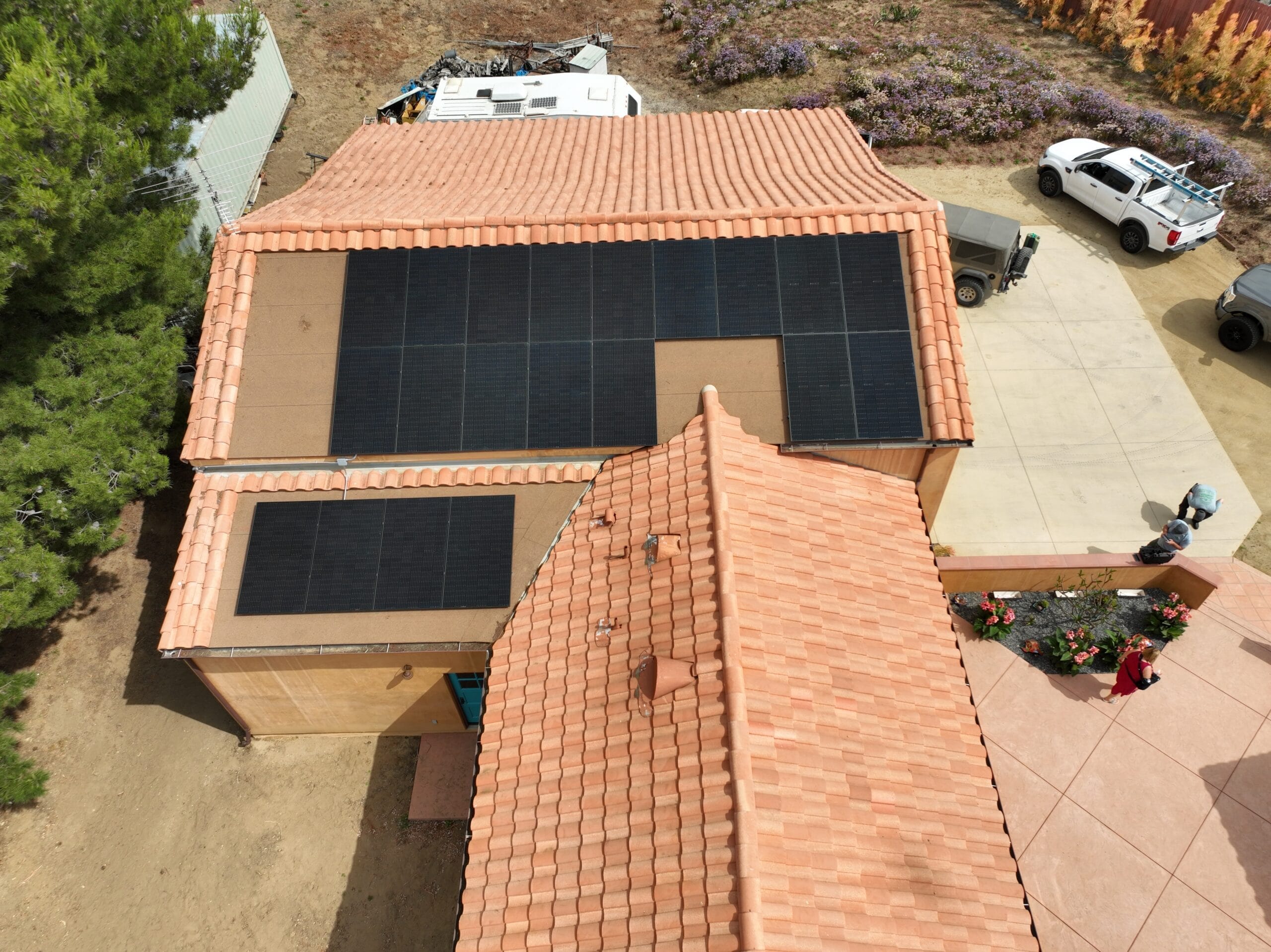
If you're shopping for solar in Ventura County in 2026, the price you'll see on quotes ranges wildly — from around $2.80 per watt all the way up to $4.75 per watt installed. After more than a decade installing residential systems from Ventura to Thousand Oaks, here's the honest, itemized breakdown of what you're actually paying for, and where homeowners get over- and under-charged.
Average residential solar cost in Ventura County (2026)
For a typical 6.4 kW system on a single-family home in Ventura County — the most common size we install today — homeowners are paying between $19,200 and $28,800 before the federal Investment Tax Credit (ITC). That works out to about $3.00 to $4.50 per watt installed, all-in.
After applying the 30% federal solar tax credit (still in effect through 2032 under the Inflation Reduction Act), most Ventura County families end up with a net cost between $13,440 and $20,160 for that same 6.4 kW system.
What's actually in the price?
- Tier-one solar panels (typically 410W–440W panels from Qcells, REC, SunPower, or Silfab)
- Inverters — either a single string inverter or microinverters (Enphase IQ8 series is most common in 2026)
- Racking, flashing, and mounting hardware rated for California seismic and wind code
- All conduit, wiring, and a new AC/DC disconnect
- Permit fees for the city of Ventura, Oxnard, Camarillo, etc. (typically $400–$1,200)
- SCE interconnection application and engineering submittal
- Production monitoring system and homeowner app setup
- Final inspection coordination and Permission to Operate (PTO) paperwork
- Workmanship warranty (10 years standard from a reputable C-10 contractor)
How NEM 3.0 changed the math
California's Net Energy Metering 3.0 (technically the Net Billing Tariff, in effect since April 2023) cut the value of solar exports back to the grid by roughly 75% compared to NEM 2.0. For a Ventura County homeowner under SCE, this means a solar-only system has a much longer payback — typically 9 to 12 years instead of the 5 to 7 years homeowners enjoyed under NEM 2.0.
The fix is battery storage. Pairing solar with a battery (Tesla Powerwall, Enphase IQ Battery, or LG ESS) lets you store your own midday solar production and use it during peak evening rates — turning what would have been a $0.08 export credit into a $0.55 avoided cost. That single change can shave 3 to 5 years off your payback period.
Adding a battery: realistic 2026 pricing
A single Tesla Powerwall 3 installed in Ventura County runs $13,500 to $16,500 before tax credits in 2026. That same 30% federal ITC applies to batteries paired with solar, dropping the net price to roughly $9,450 to $11,550.
California's SGIP (Self-Generation Incentive Program) provides additional rebates of $150–$1,000 per kWh of battery capacity for qualifying customers — particularly those in High Fire Threat Districts (HFTD) like much of the Ojai Valley, Santa Paula, and the foothills above Thousand Oaks.
What drives a solar quote up?
- Roof complexity — multiple planes, dormers, skylights, or steep pitch (>5/12) add labor
- Spanish tile or slate roofs require specialized flashing and add 10–15% to the labor line
- Panel upgrades — older homes with 100A or split-bus panels typically need a 200A upgrade ($2,500–$4,500)
- Distance from main service panel to the array (long conduit runs add up)
- HOA architectural approval requirements (more common in Westlake Village and Newbury Park)
- Premium equipment — SunPower Maxeon panels and Tesla inverters carry a 15–25% premium over Qcells/Enphase
Solar payback in Ventura County: realistic 2026 numbers
For a typical Ventura County household paying $200–$350/month on their SCE bill, a properly sized solar + battery system in 2026 has a payback period of 7 to 10 years and an internal rate of return (IRR) of roughly 9–13%. Over the 25-year warranted lifespan of the panels, the same system saves the average homeowner $55,000 to $90,000 in avoided utility costs.
Frequently asked questions
Is solar still worth it in California after NEM 3.0?+
Yes, but only if you pair it with a battery. Solar-only systems under NEM 3.0 have payback periods of 10+ years for most Ventura County homes. Solar + battery systems still pay back in 7–10 years and generate strong long-term returns.
What's the federal solar tax credit in 2026?+
The federal Investment Tax Credit (ITC) remains 30% of the total installed cost of solar and battery storage in 2026, and stays at 30% through 2032 before stepping down. There is no income cap and no upper limit on the credit amount.
How long does a solar installation take in Ventura County?+
From contract signing to Permission to Operate (PTO), the typical timeline is 6–12 weeks. Active installation is usually 1–3 days. Most of that timeline is permitting and SCE interconnection.
Do I need a permit for solar in Ventura County?+
Yes. All grid-tied solar installations require both a building/electrical permit from your city or county and an interconnection agreement with Southern California Edison. Any reputable C-10 contractor handles all of this for you.